Childhood trauma does not stay in childhood. Even when memories fade or are pushed aside, early experiences quietly shape how a person sees themselves and the world around them. Many adults struggle with self doubt, relationship patterns, or a feeling of being disconnected without realizing that these struggles began much earlier in life.
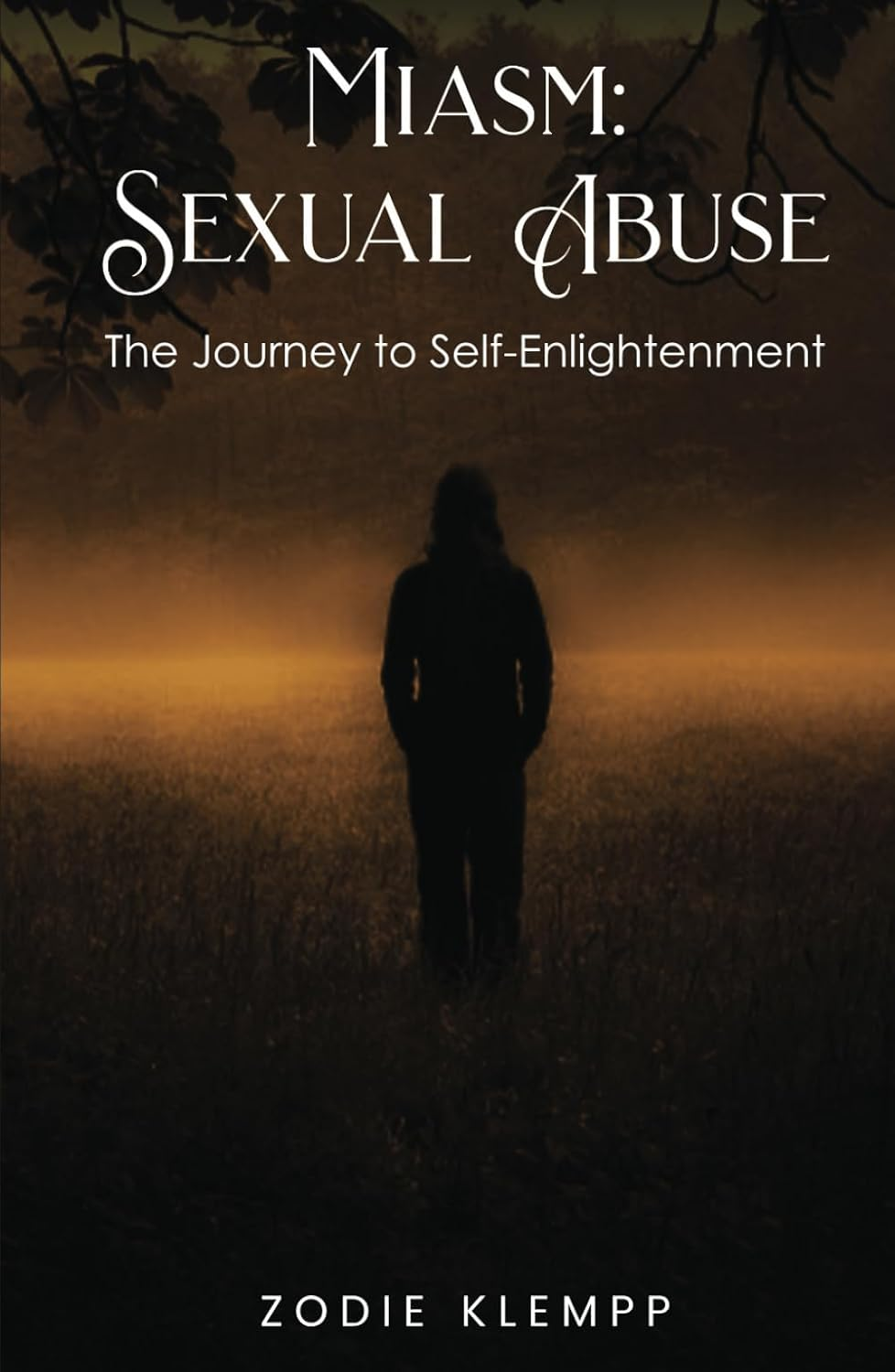
MIASM: Sexual Abuse by Zodie Klempp opens with an honest look at how trauma changes the inner landscape of a person. Rather than focusing only on events, the book explores how identity itself is shaped by what a child had to do in order to survive.
That said, a child’s sense of self develops through safety, consistency, and connection. When those things are present, a child learns who they are by exploring, making mistakes, and being accepted. However, when trauma enters the picture, this process is interrupted. For example, a child who grows up in unsafe conditions often learns to adapt instead of explore. Identity becomes less about authenticity and more about protection. Some children become quiet and compliant. Others become hyper aware of their surroundings. These adaptations are intelligent responses to danger, but they often follow a person into adulthood.
It Forces Children to Role Play
Trauma teaches children to play roles…specifically ones that are not quite fit for them. These roles help them survive but later become confusing parts of adult identity, as one person may grow into an adult who feels responsible for everyone else while another may struggle to express needs or emotions. Some also feel invisible or unsure of who they really are beneath their habits and behaviors. Over time, however, these roles can limit self expression and make it difficult to feel grounded or confident in one’s own identity.
It Shapes Self Worth
One of the deepest effects of childhood trauma is its impact on self worth. For instance, when a child experiences harm, neglect, or abuse, the nervous system often internalizes the experience. Even without conscious thought, a child may believe they are the problem.
As adults, this belief can show up as constant self-criticism, fear of failure, or the feeling of never being enough. People may work hard to prove their value while still feeling empty or unseen. These patterns are not signs of weakness. They are echoes of early experiences where safety and love were uncertain.
It Shapes Relationships
Adult relationships often reflect early identity patterns. People may find themselves repeating familiar dynamics without understanding why. Trust can feel difficult, and even boundaries may feel unclear. Some adults struggle with closeness, while others fear being alone. These relationship curves are shaped by early experiences that taught the nervous system what to expect from connection. While recognizing this link can bring relief, it can also help people understand that their struggles make sense.
We Can Change it With Awareness
The good news is that this certain and limited identity is not fixed for anyone. Trauma may shape early development, but it does not define a person’s future nor their life. Healing begins when trauma survivors understand why they are the way they are without blaming themselves. Therefore, understanding how childhood trauma essentially helps shape adult identity and forget the past. With compassion, patience, and the right support, people can reconnect with parts of themselves that were set aside long ago.
In MIASM: Sexual Abuse, Zodie Klempp emphasizes that healing is a process of returning to oneself rather than becoming someone new. As safety is rebuilt in the body and mind, people begin to feel more present and authentic. Identity becomes less about survival and more about choice.
Order your copy from Amazon to learn more and seek grace: www.amazon.com/dp/1917553412.